
How Arrest Warrants Work in Williamsburg County
An arrest warrant lets officers take a named person into custody once a judicial officer has reviewed the legal basis for the process. A bench warrant is different. It usually follows a missed court date or a problem with release conditions. The charge and the issuing court together decide which clerk can locate the case and which officer may serve it. Williamsburg County publishes no full public warrant roster. A Public Index case event can still help. Confirmation of an outstanding warrant comes from the issuing court alone, and the Sheriff can explain service and custody logistics but cannot change the judge's order.
Williamsburg County Arrest Warrants: What They Contain
South Carolina warrant forms tie the process to one court and one case. A Williamsburg County record may show a case or charging-document number, the alleged offense, the issuing judge, bond or release terms, service direction, and the officer return. The family-court SCCA412 form adds family-support details. What appears publicly is the field layout, not a filled-in copy with a person's private identifiers.
| Case number | Connects process to the charge or court file. |
|---|---|
| Issuing court | Shows which judge or court can answer status and conditions. |
| Charge or reason | Identifies the complaint or court event behind the process. |
| Bond and release | Conditions are set for the case; Williamsburg posts no countywide amount. |
| Service return | Records what the serving officer reports to the court. |
A Williamsburg County case index may list a warrant event yet still hide the signed warrant and the full officer return.
Williamsburg County Officer-Requested Arrest Warrants
South Carolina Code §22-5-110 sets out how a magistrate reviews criminal charges. It limits a requested arrest warrant generally to a law-enforcement officer acting in an official capacity. A non-officer affiant starts elsewhere. That person may begin with a courtesy summons. After a failure to appear, the court may consider a warrant on the original sworn statement if probable cause remains. The exact process still depends on the charge and the court. The statute explains authority, but it cannot tell you whether a Williamsburg County warrant was issued in a particular case; ask the clerk named on the paperwork. You can read S.C. Code Ann. § 22-5-110 alongside the court's case information.
How Warrants Get Served in Williamsburg County
The Sheriff's Civil Process/Warrant Division is the county's named channel for serving warrants. Town police may serve or assist with warrants tied to municipal cases. Other lawful officers may also carry out process based on its direction. Williamsburg County posts no agency-by-agency assignment chart covering every warrant. For a county service question, call the Sheriff's Office at 843-355-6381 and ask for Civil Process/Warrant Division. For the charge, the bond, or the next court date, call the issuing clerk instead. Do not assume the Sheriff can recall a warrant issued by a municipal or magistrate judge. The county's Sheriff Office page identifies the Civil Process/Warrant Division and its role.
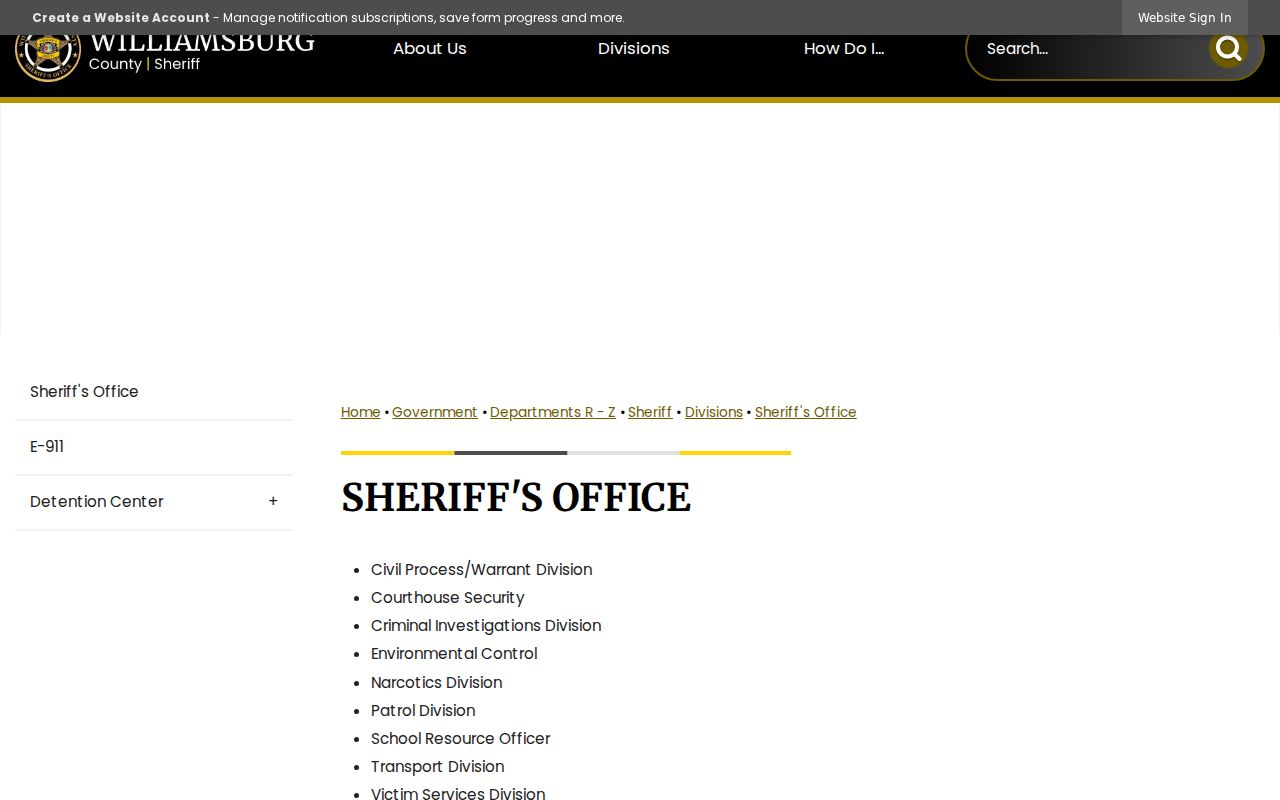
Call the listed office to verify a service question.
Williamsburg County Sheriff's Office
200 South Jackson Street, Kingstree, SC 29556
843-355-6381
Williamsburg County Family Court Arrest Warrants
Family Court in Williamsburg County handles support, alimony, contempt, and related enforcement matters. South Carolina Form SCCA412 is the arrest-warrant form used in that system. It carries family-order amounts and release-related fields. Those fields do not make it a general criminal warrant search. For a family case, contact the Clerk of Court at 843-355-9321 and ask for the Family Court file. The Family Court courthouse sits at 124 West Main Street in Kingstree. A General Sessions result does not replace the separate family-court route. The Judicial Branch publishes the Family Court arrest-warrant form, and the county roster lists the local clerk.
Williamsburg County Arrest, Summons, and Bench Warrants
A summons tells a person to come to court. An arrest warrant authorizes custody after the required judicial review. A bench warrant enforces an appearance or release obligation. In a Williamsburg County file, all three can sit in the same case yet point you to different first calls.
| Process | Usual trigger | First office to ask |
|---|---|---|
| Summons | Notice to appear | Court named in the notice |
| Arrest warrant | Criminal complaint and judicial review | Issuing court and serving agency |
| Bench warrant | Missed appearance or court order | Court that set the appearance |
A case can remain open after a warrant is served or recalled.
Williamsburg County Arrest Warrants at Bond Court
When an arrest leads to custody in Williamsburg County, Bond Court convenes at the detention center at 9 a.m. and 3 p.m. all week. Weekend and holiday sessions run too. The county publishes no standard bond amount and no online bond portal. A judge sets release terms for the case. Those terms may include recognizance, cash, percentage cash, surety, or added conditions. Before a person reports, confirm the correct destination with counsel, the issuing court, or the Sheriff. Bond Court handles the custody and release proceeding; it is not the office that recalls every warrant. The county posts this schedule on its official page.
Federal Warrants in Williamsburg County Cases
A federal warrant does not become a Williamsburg County warrant just because a person lives in the county. Federal process moves through the District of South Carolina and federal officers. Local agencies sometimes cooperate. There is no public all-federal warrant list for a personal name search. PACER provides federal case dockets, not a guaranteed pre-arrest warrant check. Some records are sealed, and a warrant may not appear before service. Counsel, the federal court, or the U.S. Marshals Service can explain the proper route. The court's location page lists the Florence federal courthouse among its sites.
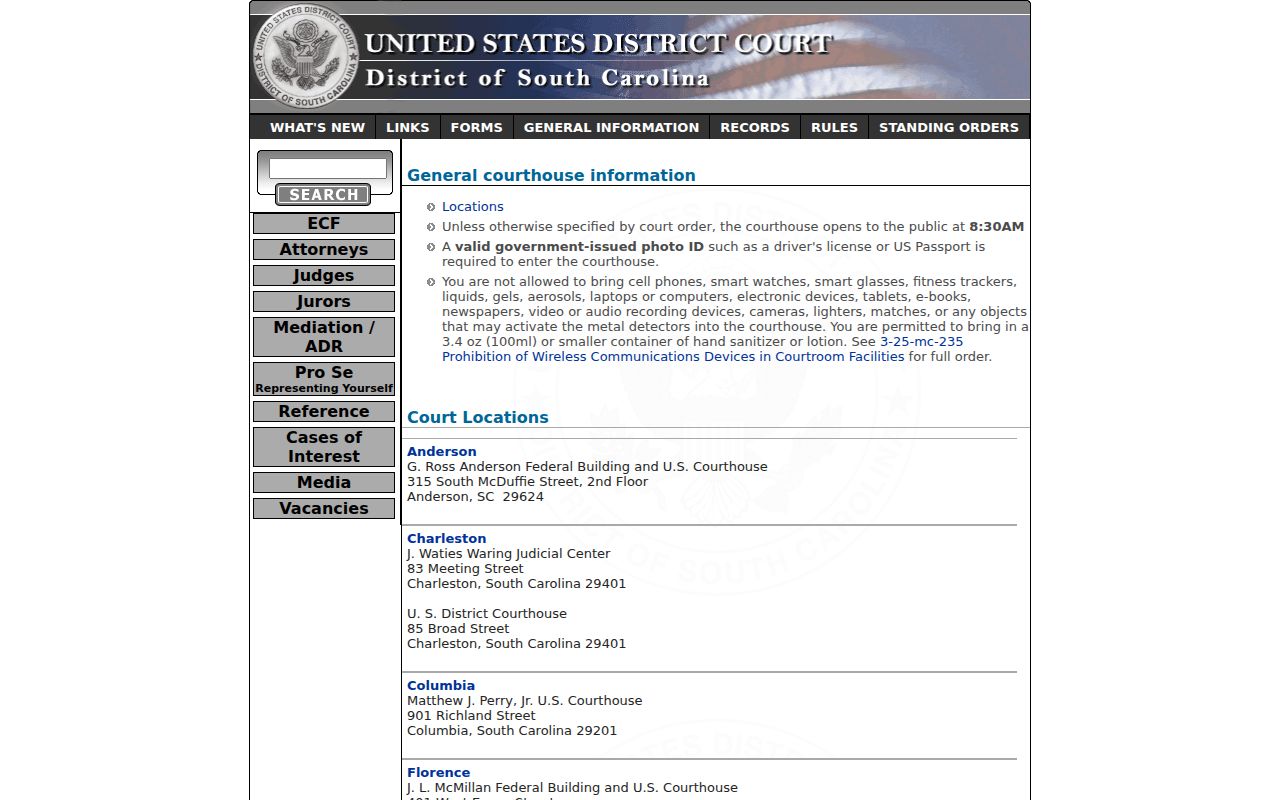
Federal courts keep their own records. The federal court location page lists court sites, while PACER explains its docket access fees for Williamsburg County cases.
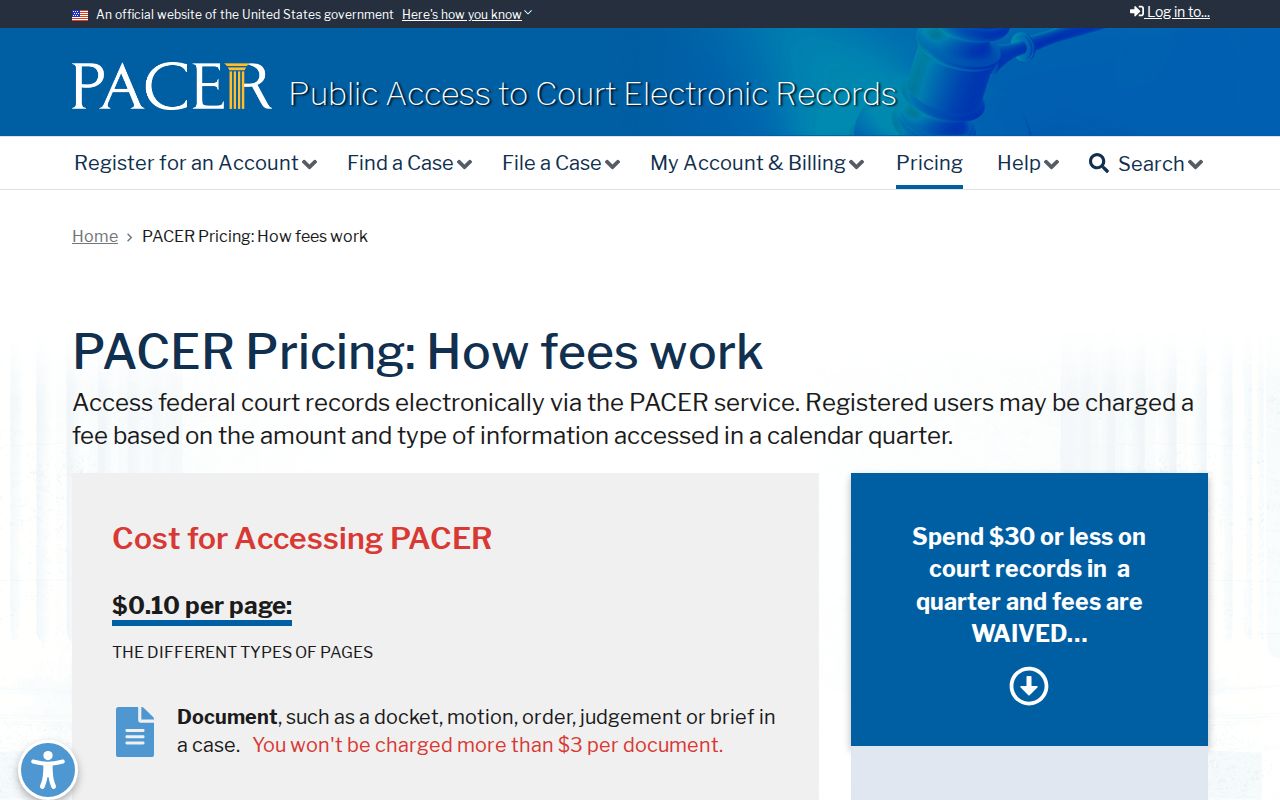
PACER can locate docket material but cannot certify that no federal warrant exists.
Williamsburg County Case Events Need Confirmation
A Williamsburg County case can move faster than its paper trail. The Public Index sometimes lists a connected case, yet its own disclaimer says entries lag and are not an official record of action. So treat a blank or thin result with care. A new warrant may simply not show yet. Sealed or confidential documents stay hidden, and a municipal case may remain with a town court rather than the county system. The search points you toward the right phone call. It does not settle the question. For circuit or family records, call the Clerk of Court. For service details, call the Sheriff. Ask whether counsel should arrange an appearance, whether a bond hearing is expected, and which location is authorized for surrender. One more caution from Williamsburg County officials: never send money because of an unsolicited payment demand.
Handling a Williamsburg County Arrest Warrant
A South Carolina attorney is worth a call before you walk in. If you think an active warrant is out, that lawyer can reach the issuing court and ask about a planned surrender. They can also learn whether a bond hearing or a motion is on the table. If the court gives direct instructions, confirm the location, timing, identification, and paperwork before you go. Then keep everything. Hold on to the case number, receipts, and any orders the court hands you. After a release or recall, ask the issuing court when the case record and the Sheriff's service file will update. For a step-by-step path through Williamsburg County, see what to do if you have a Williamsburg County warrant.
Get direct guidance: An online case entry cannot arrange a safe surrender or set bond. Confirm the plan with the court or counsel before traveling.